

Where This Practice Actually Comes From
Finland’s löyly tradition — sauna heat followed by a jump into a lake or a roll in snow — has existed in some form for hundreds of years, long before gyms started installing plunge tubs next to steam rooms. Scandinavian and Baltic cultures built this rhythm into everyday life rather than treating it as a performance-optimization tool, which is a useful reminder that the practice doesn’t require precision to be worthwhile.
What’s shifted in the modern version isn’t the core idea so much as the framing — where it was once simply “how you use a sauna,” it’s now marketed as a distinct recovery protocol with its own name, rules, and expected outcomes.
What Contrast Therapy Actually Means
Contrast therapy explained simply: it’s alternating between heat and cold exposure, most commonly a sauna session followed by cold water immersion, repeated for a few rounds. The idea isn’t new — it’s just being repackaged for people who never grew up near a sauna culture.
Contrast therapy cold plunge and sauna routines work on the same basic principle: heat dilates blood vessels, cold constricts them, and the repeated switching is thought to support circulation and recovery more than either extreme alone.
Sauna vs Cold Plunge: The Core Difference
Before combining them, it helps to know what each one does on its own.
Sauna
Raises core temperature, dilates blood vessels, promotes sweating, and tends to leave people feeling loose and relaxed.
Cold Plunge
Rapidly cools the skin, constricts blood vessels, triggers an alertness spike, and tends to leave people feeling sharp and activated.
Sauna vs cold plunge for recovery isn’t really an either-or question for most people who use both — they tend to serve different purposes, which is part of why contrast therapy became popular in the first place.
There’s also a nervous-system angle worth understanding. Heat exposure tends to activate the parasympathetic (“rest and digest”) response as the body relaxes into the warmth, while cold exposure triggers the sympathetic (“fight or flight”) system almost immediately. Cycling between the two is part of why people describe contrast sessions as feeling different from either practice alone — it’s less about picking a winner and more about intentionally moving between two distinct physiological states.
Sauna Access: What Your Options Actually Are
Not everyone has the same starting point, and it affects how realistic a contrast therapy routine for beginners actually is:
- Traditional wood-burning or electric sauna — the closest to the original practice, common at gyms and increasingly available as home units.
- Infrared sauna — heats the body more directly at lower ambient air temperature; a reasonable substitute, though the sweat and heat experience feels somewhat different from a traditional sauna.
- Steam room — adds humidity rather than dry heat, which changes the sensation but still provides a workable heat phase for contrast purposes.
- Hot shower — not equivalent to a full sauna session, but a genuinely practical substitute for anyone without gym or home sauna access who still wants to experiment with the hot-cold pattern.
None of these need to be the “correct” version to be worth trying — the contrast between meaningfully warm and meaningfully cold matters more than which specific heat source produces it. Even a hot shower followed by a short cold rinse gives a rough approximation of the pattern, which is a reasonable way to test whether the practice suits you before investing in dedicated equipment.
Should You Do Sauna or Cold Plunge First?
This comes up constantly, and the honest answer is that most contrast therapy protocols favor starting with heat, not cold.
Sauna then cold plunge order matters more than people expect, mainly because starting cold and then trying to heat up in a sauna doesn’t produce the same circulatory contrast — the vessels are already constricted going in, which blunts the effect. How long to sauna before cold plunge varies by tolerance, but 10 to 15 minutes is a common, reasonable starting point rather than pushing for maximum heat exposure.
A Simple Rounds-Based Routine
Contrast therapy routine for beginners doesn’t need to be complicated. Here’s a structure many people start with:
Warm Up
10–15 minutes in the sauna, focusing on relaxed breathing rather than pushing heat tolerance.
Cold Exposure
1–3 minutes in the cold plunge, entering gradually rather than diving straight in.
Repeat & Finish
Two to three total rounds, typically ending on cold for the alertness effect many people prefer post-session.
How many rounds of contrast therapy is safe depends on individual tolerance, but two to three rounds is a common ceiling in most beginner-oriented guidance — more isn’t automatically better, and longer sessions mainly add fatigue rather than additional benefit.
What You Actually Get From Combining Both
Sauna and cold plunge benefits, when combined, are mostly reported around two areas: perceived recovery and mood. Cold plunge and sauna for muscle recovery is one of the more commonly cited reasons people adopt the combination, with users describing less residual stiffness after hard training days compared to either practice alone — though it’s worth noting the research specific to the combination, rather than each element separately, is still fairly limited.
Some people also mention benefits of alternating hot and cold therapy for skin — the sauna’s sweating followed by cold-induced vessel constriction is sometimes described as leaving skin looking less puffy. Claims around sauna and cold plunge for weight loss are much weaker; any calorie effect from either practice is modest and shouldn’t be treated as a real weight-management strategy on its own.
Is contrast therapy better than cold plunge alone isn’t a settled question — it depends on what you’re optimizing for. If you’re specifically interested in what the cold side contributes, our deeper look at the research behind cold plunge benefits covers that in more detail than this article’s combined-practice focus allows.
It’s also worth being upfront about the limits of what’s known here. Much of the enthusiasm around combining sauna and cold plunge comes from anecdotal reports and traditional practice rather than large, controlled studies on the combination specifically. That doesn’t make the practice pointless — plenty of things people find genuinely useful predate the research confirming exactly why — but it does mean claims of dramatically superior results compared to either practice alone should be treated with a reasonable amount of skepticism.
Safety Considerations Specific to Combining Heat and Cold
Sauna and cold plunge safety tips deserve their own mention, because combining the two adds a layer of cardiovascular demand that neither practice alone quite matches. The heat-to-cold switch asks the circulatory system to dilate and then rapidly constrict in a short window, which is a bigger ask than either extreme in isolation.
This is especially relevant for anyone with heart conditions, uncontrolled blood pressure, or the other risk factors covered in our guide to cold plunge safety — those same precautions apply here, arguably with a bit more caution given the added heat exposure beforehand. Staying hydrated between rounds also matters more in contrast therapy than in cold plunging alone, since sauna sweating adds a fluid-loss element that a cold-only session doesn’t have.
Dizziness is worth watching for specifically in this context, since it can result from either the heat, the cold, or the transition between them, and it’s easy to dismiss the first instance as normal when it’s actually a signal to slow down or end the session for the day.
What I Noticed Watching Regulars at a Local Gym
Spending a few sessions just observing the sauna-and-plunge setup at a local gym made one pattern obvious: the people who’d been doing it for months moved through the rounds almost casually, while newer visitors treated the cold plunge like the finish line and rushed the sauna portion to get there faster.
That rushing seemed to be exactly backward from what worked well. The regulars who looked most at ease weren’t the ones with the coldest plunge or longest sauna time — they were the ones who treated the heat phase as seriously as the cold, rather than as a warm-up to rush through.
It also became clear that consistency mattered more than intensity. The same small group showed up two or three times a week, doing a fairly modest two-round routine, rather than sporadically pushing for longer or more extreme sessions. That pattern lines up with most beginner-oriented guidance better than the more extreme versions of contrast therapy that tend to get attention online.
Cold Plunge vs Sauna: Frequently Asked Questions
Is it better to sauna before or after cold plunge?
How long should you wait between sauna and cold plunge?
Can you do contrast therapy every day?
Is contrast therapy safe for beginners?
What are the benefits of hot and cold therapy?
Do you need both sauna and cold plunge?
How cold and how hot should contrast therapy be?
Is contrast therapy good for inflammation?
Already have access to both?
Try a simple two-round sauna-then-cold-plunge session this week and pay attention to how you actually feel afterward, not just during.
Only have the cold plunge for now?
That’s a complete practice on its own — contrast therapy is an addition worth considering later, not a prerequisite for getting value from cold exposure.

Related Articles
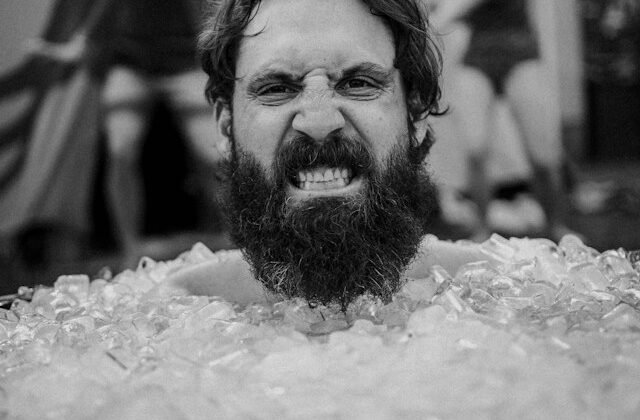
Cold Plunge and Cortisol: 7 Science-Backed Facts About Stress Hormones
Stress Hormones · Benefits & Science Is your ice bath calming you down — or secretly stressing you…
Read Guide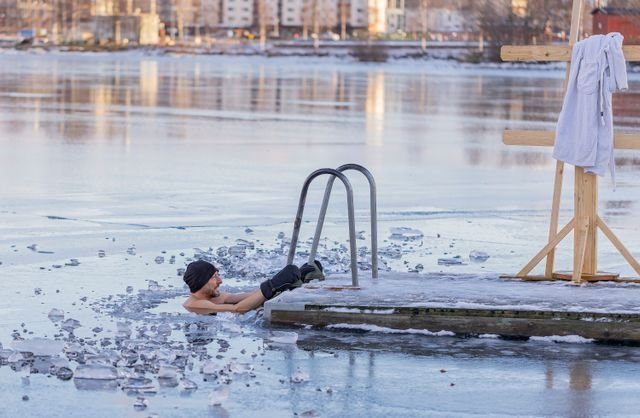
Cold Plunge and Brown Fat: The Honest Science on Weight Loss and Metabolism
Medical Disclaimer: This article is for general information only and is not medical advice. Talk to a qualified…
Read Guide
Cold Plunge for Athletes: Recovery, Timing, and Performance Guide
A quick note before you read on: This article shares general training and recovery guidance and isn’t medical…
Read Guide