
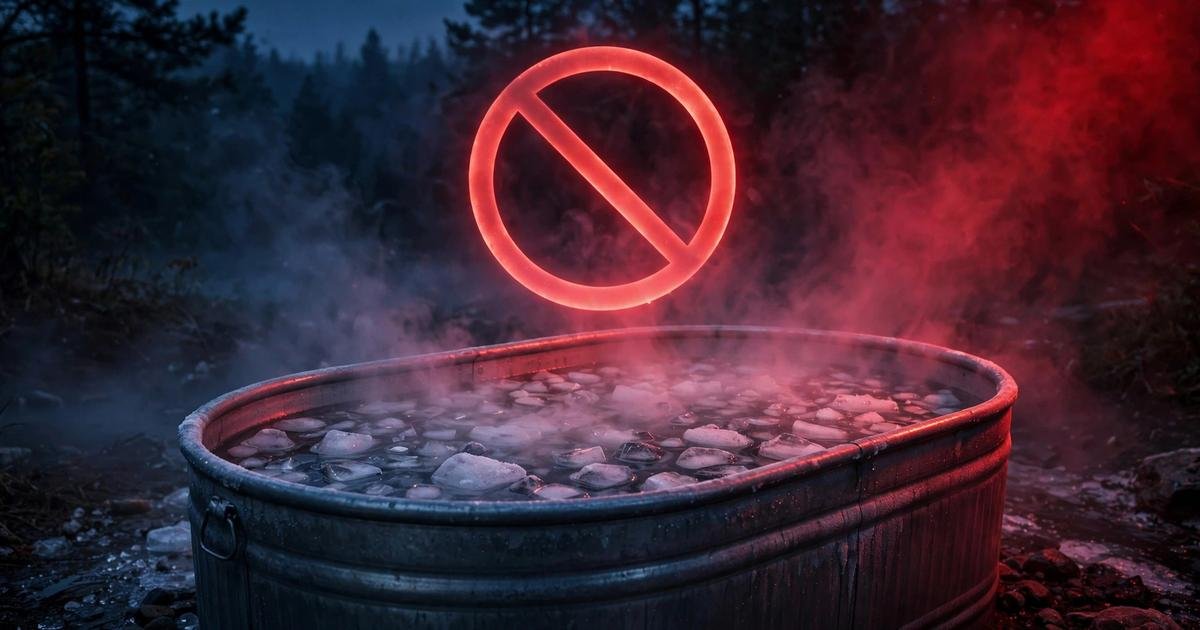
It is a Friday night. You have had a few drinks with friends, you are feeling warm and relaxed, and someone suggests a quick dip in the ice bath to “sober up” or “feel amazing.” It sounds fun in the moment — the kind of bold idea that feels brilliant after two drinks. But here is the honest truth: mixing alcohol with a cold plunge is one of the most dangerous things you can do with an ice bath. This is not about ruining anyone’s fun. It is about understanding what is actually happening inside your body, so you can make a smart choice and live to plunge another day.
Alcohol impairs your judgment, messes with your body’s temperature control, strains your heart, and raises your risk of drowning. No buzz is worth that risk. Wait until you are fully sober before getting into cold water.
What Alcohol Actually Does to Your Body
To understand why this combination is so risky, it helps to know what alcohol is doing inside you — because some of its effects are the exact opposite of what they feel like.
It makes you feel warm while you are actually getting colder. Alcohol widens your blood vessels (doctors call this vasodilation). Warm blood rushes to your skin, so you feel flushed and cozy. But that same widened plumbing lets your body heat escape much faster — especially in icy water. You feel warm at the exact moment your core temperature is dropping.
It dulls your judgment and reflexes. Alcohol slows your reaction time, weakens your coordination, and makes risky ideas sound reasonable. Cold water already demands respect and clear thinking; alcohol takes both away.
It dehydrates you. Alcohol is a diuretic, which means it makes you lose more water than you take in. Dehydration and cold-water immersion are a bad pair — your circulation is already under stress, and low fluid levels do not help.
It disrupts your body’s thermostat. Your brain carefully regulates your core temperature. Alcohol interferes with that control system, so your body becomes worse at defending itself against the cold. If you are new to cold water, our cold plunge safety guide explains the basics every beginner should know first.
How Your Body Normally Fights the Cold (and How Alcohol Sabotages It)
Your body is actually well equipped to handle a brief cold plunge — when it is working properly. The moment you step into icy water, three defenses kick in. First, your blood vessels constrict, pulling warm blood away from your skin and toward your vital organs. Second, your muscles start to shiver, generating heat. Third, your brain stays alert, monitoring your core temperature and telling you clearly when it is time to get out.
Alcohol quietly disables all three. It forces blood vessels to stay open instead of constricting, so heat keeps leaking out. It suppresses shivering, removing your built-in furnace. And it clouds the brain signals that would normally scream “get out now.” Think of it like going into a storm with your coat unzipped, your heater broken, and your phone on silent — technically you are still out there, but none of your protection is working.
This is also why experienced cold plungers are so strict about this rule. The people who plunge regularly know exactly how much they rely on those body signals — the tingle that says “one more minute,” the deep chill that says “time’s up.” Alcohol does not just add a new risk; it takes away the instincts that keep the whole practice safe.
6 Dangers of Cold Plunging After Drinking
Any one of these risks would be reason enough to skip the plunge. Together, they make the answer clear.
1 Impaired judgment leads to terrible decisions
Alcohol makes a two-minute dip sound like a great idea and a ten-minute stay sound fine. People who have been drinking stay in too long, go in water that is far too cold, or plunge alone with nobody watching. Every one of those choices multiplies the danger. Cold water is unforgiving of bad decisions.
2 You lose body heat faster (hypothermia risk)
Because alcohol widens your blood vessels, heat pours out of your body into the cold water faster than normal. Meanwhile, the warm flush on your skin tricks you into thinking you are fine. This is how people slide toward hypothermia without noticing — the warning signals your body would normally send are muted.
3 Your heart works dangerously hard
Plunging into cold water triggers the cold shock response: your heart rate spikes, your blood pressure jumps, and you gasp involuntarily. Alcohol adds its own strain on the cardiovascular system. Stacking the two is especially risky for anyone with an undiagnosed heart issue — and many people have no idea they have one.
4 Drowning risk goes way up
This is the bluntest risk and the most important one. Alcohol impairs coordination and the gasp reflex that cold water triggers can make you inhale water instead of air. Add slippery tub edges, impaired balance getting in and out, and dulled panic responses, and you have a genuine drowning hazard — even in a tub that only comes up to your chest.
5 Dehydration makes everything worse
Cold immersion already stresses your circulation as blood vessels constrict and your heart pumps harder. Do that while dehydrated from drinking, and you are asking your cardiovascular system to do hard work with fewer resources. Headaches, dizziness, and fainting after the plunge become much more likely.
6 Rewarming becomes harder and riskier
After a normal plunge, your body rewarms itself by constricting blood vessels and shivering. Alcohol keeps vessels dilated and suppresses shivering — your two main rewarming tools. That means the “afterdrop” (when your core temperature keeps falling after you get out) can hit harder and last longer. If you are unsure whether cold plunging is right for you at all, read is cold plunge safe and who should avoid cold plunge before you start.
How Long Should You Wait After Drinking?
There is no official countdown timer, because it depends on how much you drank, your body size, food, and time. But here is a practical rule of thumb that keeps you safe:
What About Drinking After a Cold Plunge?
This comes up a lot too — the celebratory drink after a bracing dip. It is less dangerous than drinking before, but it still is not a great idea right away. After a plunge, your core temperature is still recovering and your blood vessels are constricted. Alcohol will dilate those vessels again, which can cause a sudden drop in blood pressure, dizziness, or fainting — especially when you stand up quickly.
If you want a drink after plunging, give your body at least an hour to fully rewarm, eat something, drink water first, and keep it moderate. Your body just did hard work; let it finish recovering before adding alcohol to the mix.
Safer Alternatives When You Have Been Drinking
If the craving for that post-drink reset hits, here are better options that scratch the same itch without the risk:
A cool (not ice-cold) shower. Lukewarm-to-cool water on your face and neck feels refreshing and carries almost none of the risk of full immersion.
Cold water on your face. Splashing cold water on your face triggers the dive reflex mildly and can feel sobering — without putting your whole body under stress.
Just wait until tomorrow. Honestly, this is the best option. A clear-headed morning plunge after a good night’s sleep feels ten times better than a risky midnight dip ever would.
Who Is Most at Risk?
While nobody should plunge after drinking, some people face even higher danger. If you have high blood pressure, any heart condition, or circulation problems like Raynaud’s, the combined strain of alcohol and cold water can be genuinely dangerous — and these conditions often go undiagnosed. Beginners are also at higher risk because they have not yet learned to read their body’s cold signals, something alcohol makes impossible anyway.
Solo plungers should be extra careful too. Plunging alone already carries risk; plunging alone after drinking removes your last safety net. If something goes wrong — dizziness, fainting, disorientation — there is nobody there to pull you out. As a rule: never plunge alone after drinking, and frankly, never plunge after drinking at all.
Your Pre-Plunge Safety Checklist
- You have had zero alcohol today (not “just one”)
- You feel clear-headed — no buzz, no drowsiness
- You are hydrated — drink a glass of water first
- You have eaten in the last few hours
- Someone knows you are plunging, or is nearby
- Water temperature and timer are set before you get in
- You have warm clothes and a warm drink ready for after
Frequently Asked Questions
Can you cold plunge after just one drink?
It is best not to. Even one drink affects your judgment, widens your blood vessels, and starts dehydrating you. If you have had a single drink, wait at least 2–3 hours and only plunge if you feel completely sober and clear-headed.
How long after drinking alcohol can you cold plunge?
There is no exact number, but a safe guideline is: one drink — wait 2–3 hours; a few drinks — skip it that day; heavy drinking or hangover — skip it entirely. When in doubt, wait until the next day.
Why does alcohol make cold water more dangerous?
Alcohol widens your blood vessels so you lose heat faster while feeling falsely warm, impairs your judgment and coordination, dehydrates you, disrupts your body’s temperature control, and adds strain to your heart — all at the same time cold water is stressing your system.
Can alcohol make you feel warmer in an ice bath?
Yes — and that is exactly the trap. Alcohol sends warm blood to your skin, so you feel flushed and comfortable while your core temperature is actually dropping faster than normal. Feeling warm after drinking is not a sign of safety; it is a sign your warning system is compromised.
What should I do if I already plunged after drinking?
Get out of the water, dry off, and warm up gradually with warm (not hot) clothes and a warm drink. Do not drive. Drink water. If you feel dizzy, confused, extremely cold and cannot warm up, or have chest pain or trouble breathing, seek medical help right away.
Is it safe to drink alcohol right after a cold plunge?
Not immediately. After a plunge your body is still rewarming, and alcohol dilates blood vessels again, which can cause dizziness or fainting. Wait at least an hour, rewarm fully, eat something, drink water first, and keep it moderate.
Does alcohol make the cold shock response worse?
It can. The cold shock response — the gasp, racing heart, and blood pressure spike when you hit cold water — is already intense. Alcohol impairs your ability to control your breathing and stay calm through it, which raises the risk of inhaling water or panicking.
The Bottom Line
Cold plunging and alcohol do not mix — not before, and not immediately after. Alcohol takes away the very things that keep you safe in cold water: clear judgment, accurate temperature signals, steady coordination, and a heart that is not already working overtime. The good news is that this is one of the easiest safety rules in all of cold plunging — there is nothing complicated to remember. The plunge will still be there tomorrow. Stay sober, stay safe, and enjoy the ice bath with a clear head.

Related Articles
Cold Plunge and High Blood Pressure: Is It Safe?
This article is for general information only and is not medical advice. Blood pressure and heart health are…
Read Guide
Cold Plunge and Diabetes: Is It Safe?
Cold water and diabetes need extra care. This guide explains the blood sugar risks, what the research really…
Read Guide
Cold Plunge After Eating: Is It Safe? (And How Long Should You Wait)
Medical disclaimer: This article is for general information only and is not medical advice. Talk to a qualified…
Read Guide