
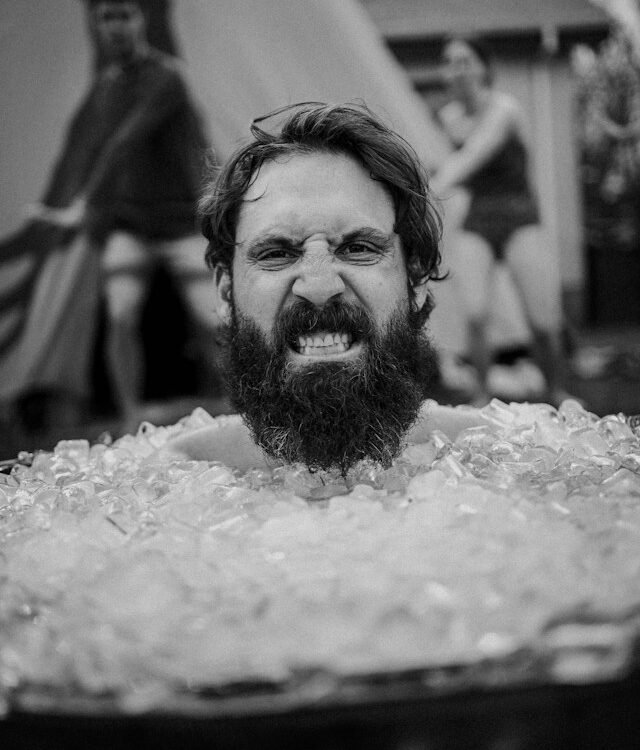
Stress Hormones · Benefits & Science
Is your ice bath calming you down — or secretly stressing you out?
The truth about cold plunge cortisol is stranger than the headlines. Here’s what actually happens to your stress hormones, minute by minute.
I’ll be honest with you: the first time I heard someone claim that cold plunging “lowers cortisol,” I believed it without question. It just felt true. You climb out of the water breathing slow, shoulders dropped, mind weirdly quiet — surely that means less stress hormone, right?
Then I started reading the actual research on cold plunge cortisol, and the real story turned out to be far more interesting than the Instagram version. It isn’t a simple “lowers it” or “raises it.” It’s a curve: a sharp spike, a deeper dip, and — if you stick with it — a long-term rewiring of how your body handles stress in the first place.
In this guide, I’m walking you through 7 science-backed facts about cold plunge and cortisol: what the spike means, when the calm kicks in, how timing and temperature change the equation, and the exact protocol I use to keep my plunges on the calming side of the line.
⚡ The 30-second version
Does cold plunge lower cortisol? Eventually, yes — but not how you’d expect. Cold water first spikes cortisol as part of a healthy acute stress response, then cortisol falls below baseline during recovery. With regular plunging, that spike gets smaller and your everyday stress resilience improves. Keep sessions short (2–3 minutes), water moderately cold (50–59°F / 10–15°C), and plunge earlier in the day for the calmest cortisol profile.
On this page
- The spike comes first — and it’s supposed to
- The dip: why you feel calm after
- Regular plungers adapt — the spike shrinks
- Timing matters more than you think
- It’s hormesis: short stress, stronger system
- When cold plunging backfires on stress
- The calm-cortisol plunging protocol
- Cold plunge cortisol FAQ
Cold Water Spikes Your Cortisol First — And That’s the Point
Here’s the part nobody puts on a motivational graphic: the moment you drop into cold water, your cortisol goes up, not down. Your body reads sudden cold as a threat — because, evolutionarily, it is one — and fires up the HPA axis, your central stress command center. Adrenaline surges, heart rate climbs, and cortisol is released to mobilize energy.
Researchers have measured this directly. In a well-known laboratory study of immersion in water of different temperatures, scientists found that cold water immersion significantly increased blood cortisol (measured as hydrocortisone) alongside other stress hormones (Šrámek et al., 2000). The colder the water, the bigger the hormonal alarm.
I’ll admit this freaked me out a little when I first learned it. I was plunging specifically to destress. But here’s the reframe that changed everything for me: this spike is acute, controlled, and voluntary. It’s your stress system doing a fire drill — loud, brief, and over quickly. That drill is precisely what trains the calm that comes next.
Don’t judge your plunge by how you feel in the first 60 seconds. The gasp, the racing heart, the urge to climb out — that’s the cortisol spike doing its job. The benefits live on the other side of it.
The Dip: Why You Feel Strangely Calm Afterward
If the spike is the fire drill, the recovery is the reward. Once you step out and start rewarming, cortisol doesn’t just return to baseline — in many people it dips below where it started. Parasympathetic activity rebounds, breathing slows on its own, and that famous post-plunge glow sets in.
This is the window everyone chases: roughly 20 to 60 minutes after your plunge, when stress hormones are settling and mood-lifting neurochemistry is peaking. It’s the same session that spiked your cortisol now leaving you calmer than it found you. I’ve started planning my hardest writing and decision-making for this window, and honestly, it’s become one of my favorite parts of the day.
Think of it like interval training for your nervous system — a deliberate stressor followed by a deliberate recovery. The dip is your body overcorrecting in the best possible way.
Give yourself 20–30 unhurried minutes after a plunge before judging how it affected your stress. The calm arrives on a delay — don’t rush off to a stressful meeting straight from the tub.
Regular Plungers Adapt — The Spike Gets Smaller Over Time
Here’s where it gets really encouraging. The cold shock response — that gasping, panicking, cortisol-spiking alarm — habituates. With repeated exposure over days and weeks, your body learns that the cold isn’t actually dangerous, and it stops sounding the full alarm.
Experienced cold water swimmers show a markedly blunted stress hormone response compared to beginners facing the same water temperature. Same cold, smaller spike, faster recovery. Your HPA axis essentially gets better calibrated: it still responds to genuine threats, but it stops overreacting to a controlled, familiar one.
This adaptation is, in my opinion, the single most underrated benefit of cold plunging. Life keeps throwing real stressors at you — deadlines, bad news, traffic. A nervous system that has practiced staying calm in ice water is a nervous system that stays calmer everywhere else. You’re not just training cold tolerance; you’re training composure.
Consistency beats intensity. Three moderate plunges a week for a month will do more for your stress resilience than one heroic five-minute session in near-freezing water.
Fact 4: Your Cortisol Curve, Visualized
Timing shapes everything. Here’s roughly what happens to cortisol across a single session and across weeks of practice:
And when you plunge matters too. Cortisol follows a daily rhythm — peaking around 30 minutes after you wake (the “cortisol awakening response”) and falling toward bedtime. A morning plunge rides that natural wave: the spike blends into your body’s own cortisol peak, and the dip lands right in your productive midday hours. An evening plunge, on the other hand, can leave you a little wired when you want to be winding down. If better rest is the goal, pair a morning plunge with the sleep timing strategies we covered here instead of plunging late.
It’s Hormesis: Short Stress That Builds a Stronger System
Scientists have a beautiful word for this pattern — hormesis. It’s the idea that small, brief doses of stress make an organism more resilient: exercise stresses muscles to build them, fasting stresses metabolism to reset it, and cold water stresses the nervous system to steady it.
Cold plunge cortisol dynamics are hormesis in action. The acute spike is the dose; the adaptation is the cure. This is also why researchers studying voluntary sympathetic activation — including the famous Wim Hof method trial, where participants combined breathing techniques with cold exposure and showed a controlled, trainable stress response (Kox et al., 2014) — keep coming back to the same conclusion: the stress response itself isn’t the enemy. An untrained stress response is.
It also explains the mood connection. The same session that spikes cortisol also triggers a massive, long-lasting rise in dopamine and norepinephrine — the focus-and-drive chemicals we explored in our cold plunge and anxiety guide. Stress hormone up, mood chemicals up, then everything settles lower than before. That’s the full arc.
Stop asking “is cold plunge stressful or relaxing?” It’s both — in sequence. The stress is the mechanism, not a side effect.
When Cold Plunging Backfires: Too Much of a Good Stressor
Hormesis has a dark side, and honesty demands I cover it: the dose makes the poison. If the stressor is too big, too long, or too frequent — with no recovery — you don’t get adaptation. You get accumulation.
Warning signs your plunging is adding stress instead of training resilience: you feel wired but exhausted, your sleep gets worse instead of better, you’re catching every cold going around, or your motivation and libido quietly tank. Chronically elevated cortisol is catabolic — it breaks things down — and it directly suppresses testosterone, which is exactly why we dug into the cortisol-testosterone tug of war in our hormones guide.
The usual culprits? Water that’s far too cold for your experience level, marathon sessions beyond 5 minutes, plunging twice a day every day, or plunging hard during periods when life is already maxing out your stress budget — brutal work weeks, poor sleep, heavy training blocks. Stress is stress, and your HPA axis keeps one combined ledger.
More cold is not more better. If life is already at a 9/10 stress level, make your plunge gentler — warmer water, shorter time — or skip a day. Recovery is where the adaptation happens.
Fact 7: The Calm-Cortisol Plunging Protocol
After all this science, here’s the practical part — the exact approach I’d recommend to a friend who wants the stress benefits without the stress hangover:
- Water at 50–59°F (10–15°C). Cold enough to trigger the response, not so cold it becomes survival. Beginners should start at the warmer end.
- Two to three minutes. That’s the sweet spot for most people. Set a timer — your stressed brain is a terrible clock.
- Slow exhales, especially the first 60 seconds. Long, deliberate out-breaths are a direct hotline to your parasympathetic nervous system and blunt the spike.
- Three to four times per week. Enough for adaptation, with rest days for your HPA axis to consolidate the training.
- Mornings or early afternoon. Ride your natural cortisol rhythm instead of fighting it — and protect your sleep.
- Warm up gently afterward. Light movement, warm clothes, a warm drink. Don’t sprint to a sauna or a scalding shower; let the dip arrive naturally.
- Track how you feel at +30 minutes, not +30 seconds. The dip is the metric that matters.
New to all of this? Start with our full breakdown of cold plunge benefits and risks before dialing in the details — it puts everything in this guide into the bigger picture.
✅ Do this
- Ease in over your first two weeks
- Breathe slowly — never hold your breath underwater
- Plunge earlier in the day
- Keep sessions short and consistent
- Rest, eat, and sleep well around plunge days
🚫 Not this
- Jumping straight into near-freezing water
- Staying in 5+ minutes to “prove” something
- Late-night plunges when you’re already wired
- Plunging daily through illness or burnout
- Ignoring dizziness, numbness, or panic
Key Takeaways
- Cold plunge spikes cortisol first — that’s a healthy acute stress response, not a malfunction.
- Afterward, cortisol typically dips below baseline — that’s the famous post-plunge calm.
- With regular practice, the spike shrinks — your stress response gets better calibrated.
- Morning plunges work with your natural cortisol rhythm; late plunges can disrupt sleep.
- More is not better — 2–3 minutes, 3–4x per week beats heroic daily ice marathons.
- Watch your total stress load: if life is maxed out, plunge gentler or rest.
Cold Plunge Cortisol FAQ
The questions I get asked most about cold plunge and cortisol, answered straight.
Does cold plunge lower cortisol?
Yes — but on a delay, and that’s the key detail most headlines skip. Cold water first raises cortisol as part of the acute cold shock response, then cortisol falls during recovery, often dipping below your pre-plunge baseline. With weeks of regular plunging, the initial spike also gets smaller as your body habituates. So the honest answer: cold plunge trains your cortisol response rather than simply deleting it.
Why does cold plunge spike cortisol at first?
Sudden cold is interpreted by your brain as a survival threat, so it activates the HPA axis — your central stress system. Cortisol, adrenaline, and norepinephrine flood your system to mobilize energy and keep you alert. Laboratory studies of cold water immersion have measured this cortisol rise directly (Šrámek et al., 2000). It’s the same machinery that handles any emergency — you’re just triggering it on purpose, in a controlled setting.
Is cold plunge good for stress and anxiety?
For most healthy people, yes — when done sensibly. The brief cortisol spike is followed by a deeper recovery dip, plus a long-lasting lift in dopamine and norepinephrine. Over weeks, the stress response itself becomes better calibrated. We explored the mood side in depth in our cold plunge for anxiety guide. The caveat: if you’re already burned out, sleeping badly, or plunging excessively, extra stressors can backfire — keep sessions moderate.
What is the best time of day to cold plunge for cortisol?
Morning or early afternoon. Cortisol naturally peaks about 30 minutes after waking and declines through the day. A morning plunge works with that rhythm — the spike merges into your natural peak and the calming dip lands in your productive hours. Evening plunges can leave you alert near bedtime and may disturb sleep; if rest is your priority, see our sleep timing guide.
Can I cold plunge every day without raising cortisol too much?
You can, but most people do better with 3–4 sessions per week. Daily plunging adds a daily stressor to your HPA axis ledger, and without rest days the adaptation can stall — especially if training hard, sleeping poorly, or under heavy life stress. Signs you’re overdoing it: worse sleep, constant fatigue, frequent illness, or feeling wired-but-tired. When in doubt, go warmer, shorter, or take a day off.
Who should be careful with cold plunge and cortisol?
Anyone with a heart condition, uncontrolled blood pressure, or Raynaud’s should talk to a doctor first — the adrenaline and blood pressure surge is real. The same goes if you’re pregnant, managing an adrenal or thyroid condition, or recovering from burnout: your stress axis may already be maxed out. Our benefits and risks breakdown covers the full safety picture, and the medical disclaimer below applies to everything in this article.

Related Articles
Cold Plunge and Brown Fat: The Honest Science on Weight Loss and Metabolism
Medical Disclaimer: This article is for general information only and is not medical advice. Talk to a qualified…
Read Guide
Cold Plunge for Athletes: Recovery, Timing, and Performance Guide
A quick note before you read on: This article shares general training and recovery guidance and isn’t medical…
Read Guide
Cold Plunge and Testosterone: Does Cold Water Really Boost Testosterone?
This article is for general informational purposes only and does not constitute medical advice. Hormonal health is influenced…
Read Guide