
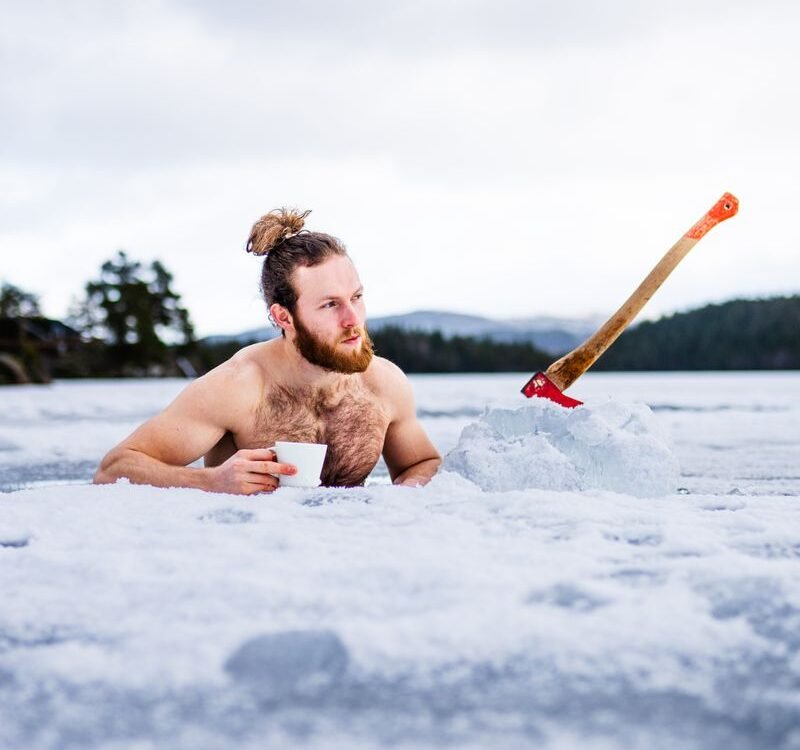
The water doesn’t care that it’s January. Everything around it does.
A cold plunge in winter isn’t just a colder version of your summer routine — it’s a different sport with different rules. Get the rules right and winter becomes the best plunging season of the year. Get them wrong and you’ll learn the lesson shivering on your back porch in a wet towel.
My first winter plunge was a comedy of errors I’m still slightly embarrassed about. It was mid-January, 28°F outside, and my tub was steaming like a cauldron in the dark. I’d been plunging all fall at a comfortable four minutes, so naturally I decided January deserved five. I got out feeling invincible — for about forty seconds. Then the wind found me, my feet went from cold to absent, and I spent the next ten minutes fumbling with my back-door lock wearing hands that had forgotten how fingers work.
Here’s what that miserable morning taught me: a cold plunge in winter rewards respect, not toughness. The coldest water I ever sat in didn’t teach me nearly as much as the coldest air I ever climbed out into. This guide is everything I wish someone had told me before that January morning — seven rules that keep winter plunging safe, comfortable, and honestly kind of magical.
This article is for education, not medical advice. Cold exposure stresses the cardiovascular system, and winter amplifies that. If you have a heart condition, high blood pressure, Raynaud’s, or you’re unsure, talk to your doctor first. Our cold plunge safety guide covers who should sit winter out entirely.
Why a Cold Plunge in Winter Is a Different Sport
In summer, the plunge is the hard part and everything after is easy. In winter, it’s reversed: the water is familiar, but the world you climb back into is actively trying to cool you further. Three things change the equation.
First, the exit is the exposure. Water pulls heat from your body roughly 25 times faster than air — but once you’re out, wet skin plus wind chill keeps the cooling going. That post-plunge window is where winter bites, and it’s the part almost nobody plans for.
Second, your margin for error shrinks. A four-minute plunge that’s merely bracing in October can leave you dangerously chilled in January, because your body starts the session already spending energy to stay warm. The cold shock response — that gasp reflex and heart-rate spike — also tends to hit harder when the air is freezing.
Third, there’s the afterdrop. Even after you get out, cold blood from your limbs keeps circulating back to your core, so your core temperature keeps falling for 10–20 minutes. In summer you barely notice it. In winter, standing around in a towel during the afterdrop is how a great plunge turns into a shivering mess. Every rule below exists to manage these three realities.
The 7 Rules of Winter Plunging
These aren’t suggestions — they’re the operating system I run every winter plunge on. Each one exists because I (or someone I know) learned it the uncomfortable way.
Respect the wind more than the water
A 15 mph wind on wet skin steals heat shockingly fast. Set up a windbreak if you can, and keep your robe and towel within arm’s reach of the tub — not inside the house. The thirty seconds you spend walking to your towel are the coldest of the whole ritual.
Shorten your time, not your courage
Winter is not the season for personal records. Ninety seconds to two minutes in cold water delivers the goods; beyond that, the afterdrop gets brutal. If you’re unsure where your limits are, revisit our cold plunge duration guide and then shave a minute off for January.
Treat the warm-up as part of the plunge
Before you get in, stage everything: robe open and ready, wool socks unrolled, beanie on the bench, warm drink poured. A winter plunge that ends with you sprinting barefoot across a frozen patio is a failed plunge, no matter how good the water felt.
Expect a bigger cold shock response
That gasp reflex hits harder when the air is freezing — your nervous system is already on alert. Enter slowly, keep your hands out at first if needed, and exhale deliberately for the first 30 seconds. Our cold shock response explainer breaks down exactly what’s happening in your body.
Dress for the ten minutes after
Feet and head lose heat fastest, so: thick wool socks (non-negotiable), a beanie, and a proper robe or parka — not a thin towel. I keep a thermos of warm tea on the bench. It sounds precious. It is also the difference between a glow and a shiver.
Winterize your setup or it will winterize you
Ice expands and breaks things: keep the cover on between sessions, protect hoses and chiller lines from freezing, and break up surface ice gently rather than smashing it. A floating thermal cover is the single best winter upgrade for an outdoor tub.
Know the red flags — and get out
Numbness that doesn’t fade, confusion, clumsiness, shivering that suddenly stops, or any chest pain: get out immediately and warm up. These are classic cold-stress warning signs — the CDC’s cold stress guidance is worth reading before your first deep-winter session.
Breathe with the dot: slow inhale as it grows, long exhale as it shrinks. Four rounds of this before you step in will blunt the gasp reflex more than any pep talk ever has.
What Water Temperature Should a Winter Cold Plunge Be?
Here’s the counterintuitive truth about a cold plunge in winter: you don’t need the water to be colder, because the air is doing half the work. I aim for 45–50°F (7–10°C) all winter — the same range I’d use in spring. The experience feels dramatically colder anyway, thanks to the exit into freezing air and the stronger afterdrop.
Going below 39°F in winter is expert territory — the combined stress of icy water and freezing air leaves almost no margin for error. If you’re curious how temperature maps to different goals, our cold plunge temperature chart lays out the full range. In January, I’d rather see you at 48°F for two comfortable minutes than at 38°F white-knuckling ninety seconds.
My Winter Warm-Up Ritual, Step by Step
This is the part nobody posts about on social media, and it’s the part that determines whether you feel amazing or awful. The goal is simple: rewarm gradually and keep moving while the afterdrop passes. Here’s my exact sequence:
Don’t stand around dripping. Robe on, hood up if you have one. The first sixty seconds out of the water set the tone for everything after.
Feet lose heat fast on cold ground — dry them and get wool socks on immediately. Beanie on. Your core will thank you.
Gentle movement (a slow walk, arm swings, bodyweight squats) generates internal heat far better than standing. This is when the afterdrop peaks, so keep the engine running.
Tea, warm water with lemon, broth — something warm to hold and sip. Skip the scalding-hot shower for now; rewarming too fast can make you dizzy.
Once the shivering has fully stopped and you feel like yourself, a warm shower or a few minutes in a sauna feels incredible. Done right, this is contrast therapy — the Finns have been doing it for centuries.
Winter Cold Plunge Myths vs. Reality
Winter plunging attracts strong opinions. Let’s clear up the three I hear most:
“Colder water is always better in winter.” If 50°F is good, 35°F must be amazing, right? No — in winter the air multiplies the stress, so pushing water temperature down just shrinks your safety margin for zero proven extra benefit.
Consistency beats intensity. Two comfortable minutes at 47°F, three times a week, all winter long will do more for you than one heroic session at near-freezing that leaves you dreading the next one.
“You’ll catch a cold from plunging in winter.” Colds come from viruses, not cold water. That said, getting deeply chilled and stressed can temporarily tax your immune defenses — which is exactly why the warm-up ritual above matters.
Research is cautiously interesting, not conclusive. A peer-reviewed review of voluntary cold-water exposure found the evidence on immune effects mixed — promising enough to keep studying, not strong enough to make promises. Plunge for the resilience and the mood, not for magic immunity.
“If you feel fine, you don’t need to warm up.” The afterdrop doesn’t care how tough you feel at minute two. Core temperature keeps falling after you exit — the people who skip rewarming are the ones shivering uncontrollably twenty minutes later.
Rewarming is part of the therapy. The gentle rewarming phase — movement, warm layers, a hot drink — is when your circulation redistributes and the famous post-plunge glow arrives. Treat it as sacred, not optional.
Cold Plunge in Winter: Frequently Asked Questions
Quick answers to the winter questions I get asked most — tap any question to expand.
1Is it safe to cold plunge in winter?
For healthy adults, a cold plunge in winter can be safe when you follow the rules above: short sessions, warm clothing staged in advance, and immediate rewarming. The risk rises with heart conditions, uncontrolled blood pressure, Raynaud’s, or pregnancy — if any of those apply, check with your doctor first and read our cold plunge safety guide.
2What water temperature is best for a winter cold plunge?
45–50°F (7–10°C) is the sweet spot for most people. You don’t need near-freezing water in winter because the cold air and afterdrop add plenty of intensity. See our cold plunge temperature chart for how temperature maps to different goals.
3How long should you cold plunge in winter?
90 seconds to 2 minutes is plenty. Winter shortens the sensible session length because your body is already working to stay warm and the afterdrop hits harder. Our duration guide covers timing by experience level — in winter, take the conservative end of every range.
4Can you cold plunge in winter every day?
You can, but most people do better with 3–4 sessions per week in deep winter. Daily plunging in freezing conditions can leave you feeling drained rather than energized, especially if your sleep or nutrition is off. Listen to your body: if you’re dreading it or shivering long after, take a rest day.
5What should you wear for a winter cold plunge?
In the water: just swimwear (neoprene socks or gloves are fine if your extremities suffer). The critical clothing is for after: wool socks, a beanie, and a heavy robe or parka staged within arm’s reach, plus something warm to drink. Most winter misery comes from the exit, not the plunge.
6Do you need to winterize an outdoor cold plunge tub?
Yes. Keep a quality cover on between sessions, protect hoses and chiller lines from freezing, and break surface ice up gently instead of smashing it. A floating thermal cover is the best winter investment for an outdoor setup — it slows ice formation and cuts heat loss dramatically.
Plunge Peak articles are for informational purposes only and are not medical advice. Cold water immersion stresses the heart and circulatory system; risks increase in winter conditions. Consult a qualified healthcare professional before beginning cold plunge therapy, especially if you are pregnant, have a heart condition, high blood pressure, Raynaud’s phenomenon, or any chronic illness. Never plunge alone in extreme cold. If you experience chest pain, confusion, or numbness that doesn’t resolve with rewarming, seek medical attention.
The plunge I’ll never forget
Last February, snow falling straight down, everything silent — I sat in 46°F water for two quiet minutes, climbed out into my robe, pulled the beanie down, and walked slow circles around the yard with tea steaming in my hand. No phone, no timer anxiety, no proving anything. It remains one of the most peaceful moments of my year.
That’s the thing about a cold plunge in winter: done carelessly it’s miserable, but done well it’s the season’s best-kept secret. Respect the wind, keep it short, warm up like you mean it — and winter will give you plunges that summer never could.

Related Articles
Cold Plunge vs Cold Shower: Is a Shower Really Enough?
A quick note before you read on: This article compares two wellness practices for general informational purposes and…
Read Guide
Cold Plunge vs Cryotherapy: Which One Is Actually Right for You?
A quick note before you read on: This article compares two wellness practices for general informational purposes and…
Read Guide
How Long Should You Cold Plunge? Duration Guide by Level and Temperature
A quick note before you read on: This article shares general, widely-used guidance on cold plunge duration for…
Read Guide