

You survived the cold. Now don’t fumble the rewarm.
What to do after cold plunge sessions is the part nobody teaches you — and it’s where most beginners quietly go wrong. Here are the 7 rewarming rules I wish someone had handed me before my first winter plunge.
I still remember my first proper winter plunge like it was yesterday. Early February, the tub sitting at a smug 4°C, a dusting of snow on the lid that I brushed off with my bare hands — first mistake, in hindsight. I lasted three minutes, climbed out feeling like some kind of Viking hero, and then spent the next forty minutes shivering so violently I couldn’t unlock my phone to brag about it.
Here’s the part nobody warned me about: I did everything wrong after getting out. I cranked the shower to nearly scalding, stood around in wet shorts answering texts, and “warmed up” with a coffee so hot it nearly took the skin off my numb tongue. I felt worse during the recovery than during the plunge itself.
It took months of trial, error, and reading actual physiology to learn this: what to do after cold plunge sessions matters nearly as much as the plunge itself. The minutes after you climb out are when your body does some of its most interesting — and most misunderstood — work. Get them right and you lock in the benefits. Get them wrong and you’re just… cold, dizzy, and annoyed.
So consider this my playbook: the exact rewarming routine I use now, built from sports science, a few embarrassing mistakes, and more shivering fits than I care to admit.
The short version, if you’re still dripping
- Your core temperature keeps dropping for 10–15 minutes after you exit (the afterdrop) — so rewarm gradually, not violently.
- Dry off immediately, change out of anything wet, and keep moving gently. Standing still is the enemy.
- Warm drinks: yes. A scalding shower right away: no. A whiskey “to warm up”: absolutely not.
- Shivering is your body’s furnace — normal and useful. Confusion or dizziness is not — know the difference.
📋 In this playbook
Respect the afterdrop: you keep getting colder after you get out
Here’s the strangest thing about cold plunging, and the one thing almost nobody tells beginners: you keep getting colder after you climb out.
It’s called the afterdrop, and it’s not in your head. While you’re in the water, your blood vessels constrict hard, keeping warm blood pooled around your vital organs. The moment you exit and those vessels start relaxing, the cold blood that’s been sitting in your arms and legs flows back toward your core — and your core temperature drops further, typically bottoming out 10 to 15 minutes after your session ends.
I learned this the embarrassing way. My first month of plunging, I’d get out, towel off, feel fine — and then ten minutes later get hit by a wave of deep, teeth-rattling cold that felt worse than the tub. I thought something was wrong with me. Nothing was wrong; that’s just physiology doing its thing.
Why does this change your rewarming strategy? Because the afterdrop is exactly why aggressive rewarming backfires. Jump straight into a scalding shower and your surface vessels dilate all at once — blood can pool in the periphery, blood pressure dips, and that lightheaded, woozy feeling some people report isn’t “toxins leaving the body.” It’s your circulation struggling to keep up. (If you’ve ever felt dizzy climbing out, my breakdown of the cold shock response explains the mechanism in detail.)
The play here is simple: expect the afterdrop and don’t fight it with extremes. Give your body 10–15 minutes of gentle, gradual rewarming. Think of it like landing a plane — you want a long, smooth descent, not a nosedive into a hot shower.
Dry off like you mean it
Water pulls heat off your body roughly 25 times faster than air. That’s what makes the plunge work — and it’s also what keeps working against you after you climb out, for as long as you stay wet.
This sounds obvious, but watch any group of new plungers and you’ll see the same mistake: they climb out, drape a towel over their shoulders like a cape, and stand there chatting while water runs down their legs. Every second you stay wet, you’re still plunging — just without any of the benefits.
My rule now is non-negotiable: dry aggressively, starting with the big heat-loss zones — head, neck, torso. If your hair is wet, dry it or cover it; a wet head in cold air dumps heat remarkably fast. And change out of wet swimwear immediately. I keep a dedicated plunge bag by the tub — dry towel, dry clothes, warm socks — because the old me, standing in wet shorts scrolling his phone in a February breeze, was essentially volunteering for misery.
It takes ninety seconds. It changes everything.
Move — don’t just stand there
After I dry off, I walk. Not a workout — a walk. Around the garden, up and down the driveway, ten easy bodyweight squats if I’m feeling spicy. Gentle movement is the most underrated rewarming tool there is, because your muscles are furnaces: even light activity ramps up metabolic heat production far faster than standing still ever will.
There’s a sweet spot, though. Don’t go crush intervals three minutes after a plunge — your coordination is off, your muscles are cold, and intense exercise on a cold body is how strains happen. Think stroll, not sprint. Arm swings, easy squats, a brisk walk. If you plunge at a gym, the slow walk back to the locker room counts.
And here’s a reframe that changed my relationship with the shivers: shivering is movement. It’s your body’s built-in furnace — rapid muscle contractions designed to generate heat. I used to panic when the shivering started. Now I let it do its job while I support it with dry clothes and a walk. It usually passes within 15–20 minutes.
One caveat worth knowing: the longer and colder your plunge, the bigger the afterdrop and the longer the rewarm. If you’re pushing duration or temperature, budget extra recovery time — my guide on how long to cold plunge breaks down sensible durations by experience level for exactly this reason.
Warm from the inside
About five minutes after I’m out, I make tea. Ginger, usually — sometimes with honey and lemon. It’s become such a ritual that the kettle going on is basically the official end of the session.
Warm drinks work on two levels: the obvious physical warmth, and the psychological signal to your nervous system that the cold stress is over. There’s good reasoning behind preferring warm over ice-cold drinks here — you’re trying to nudge your core temperature back up, not give your stomach its own mini plunge.
What not to drink matters more: alcohol. I know — the “whiskey to warm you up” thing is practically folklore. It feels warming because alcohol dilates your surface blood vessels, flooding your skin with warm blood. But that’s exactly the problem: you’re dumping core heat to the surface where it radiates away, while your core quietly gets colder. It’s the physiological equivalent of admiring how warm the radiators look while the boiler is switched off. It also impairs the judgment you need to notice warning signs.
Caffeine? A normal cup is fine — just don’t make it lava-hot when your lips are still numb. I learned that one the hard way too. And plain room-temperature water is perfectly good; the key is simply rehydrating, because cold suppresses your thirst response even though you’ve still been losing fluid.
Time your shower right
This is the mistake I see most often, and it’s the one I made: sprinting from the tub straight into a scalding shower.
Here’s the problem. After a plunge, your vessels are constricted and your blood pressure dynamics are… let’s say excitable. A blast of very hot water causes rapid, widespread vasodilation — vessels opening all at once. Blood pools in the periphery, blood pressure can dip, and that’s when people end up sitting on the shower floor feeling nauseous and questioning their life choices. Ask me how I know.
The play: wait 10 to 15 minutes after exiting. Let the afterdrop run its course, get dry, get dressed, have your tea. Then shower — starting lukewarm and working warmer gradually. Your body will tell you when it’s ready; water that felt neutral ten minutes ago will start feeling pleasantly warm.
There’s also a school of thought worth knowing — discussed by researchers like Andrew Huberman — that you should end with cold and let your body rewarm itself, sometimes called the Søeberg principle. The idea is that self-generated rewarming (shivering, movement) may be part of the adaptive benefit. I’m not dogmatic about it — I do shower warm eventually — but I no longer blast the heat immediately, and I think there’s real wisdom in letting your furnace do some of the work. Huberman’s deep dive on cold exposure science is worth reading if you want the full picture.
Eat, hydrate, recover
Shivering burns a surprising amount of energy — it’s muscular work, after all. After a solid session, especially a longer or colder one, your body has done genuine metabolic labor. Refueling isn’t optional; it’s part of the protocol.
I keep it simple: something with carbs and a bit of protein within the hour. Warm oatmeal, soup, eggs on toast — the classics are classics for a reason. There’s something deeply satisfying about warm soup after a plunge that I can’t fully explain with physiology, and I’m not going to argue with it either.
Hydration deserves its own mention because it’s sneaky. Cold water immersion suppresses your thirst response — you simply don’t feel thirsty — but you’ve still been losing fluid through respiration and the mild diuretic effect of cold exposure. I drink a full glass of water with my tea, every time, whether I feel like it or not.
If you’re plunging while run down or fighting something off, that’s a different conversation — your immune system is already busy, and stacking cold stress on top of illness is a gamble. I wrote a full guide on cold plunging when sick because the “should I or shouldn’t I” question comes up constantly.
Know when shivering turns serious
Let’s calibrate expectations, because the line between a normal cold response and something wrong genuinely matters.
Normal, expected, fine: vigorous shivering for 10–20 minutes. Cold, pale hands and feet. Some numbness that fades as you warm. And feeling deeply, almost meditatively tired afterward — I call it the plunge-nap urge, and it’s honestly one of my favorite feelings in the world.
Not normal — warm up aggressively and get help if: shivering stops while you still feel cold (that’s a red flag, not a relief), confusion or unusual clumsiness, slurred speech, extreme drowsiness, or dizziness that won’t resolve. These can signal your core temperature has dropped further than your body can self-correct, and it’s not the time to tough it out.
Context matters enormously. Rewarming in a heated bathroom is one thing; rewarming outdoors in winter wind is another. If you plunge outside in cold weather — which is glorious, by the way — stage your warm clothes before you get in, not after. My winter plunging guide covers the full cold-weather setup, because wind plus wet skin after a plunge is the fastest route to a miserable (or dangerous) rewarm I’ve found.
The Cleveland Clinic’s overview of cold plunge safety is also worth a read — it covers the rewarming angle from a clinical perspective, including who should be extra cautious.
- The scalding-shower sprint. Tub to shower in thirty seconds flat, water at max. Dizziness, nausea, regret. (See Play 05.)
- The whiskey warm-up. Feels toasty for five minutes while your core quietly gets colder. Hard pass. (See Play 04.)
- The wet phone scroll. Standing around in wet clothes in a breeze, answering texts, “just a minute.” Every minute wet is a minute still plunging. (See Play 02.)
What to do after cold plunge: your questions, answered
What should you do immediately after a cold plunge? +
Get out, dry off thoroughly, and change out of wet swimwear within the first couple of minutes. Then move gently — a short walk or easy bodyweight squats — and have a warm drink. The first 10–15 minutes matter most because of the afterdrop: your core temperature keeps falling even after you exit, so rewarm gradually rather than blasting yourself with heat.
What to do after cold plunge if you can’t stop shivering? +
First, don’t panic — vigorous shivering for 10–20 minutes is a normal, healthy heat-generating response. Keep moving gently, add dry layers (especially socks and a hat), and sip something warm. Shivering that persists beyond 30–40 minutes despite warming efforts, or shivering that stops while you still feel cold, is different — warm up aggressively and seek help, as these can signal excessive core cooling.
Is it bad to take a hot shower right after a cold plunge? +
Immediately after — yes, it’s a bad idea. A scalding shower causes rapid, widespread vasodilation, which can drop your blood pressure and leave you dizzy or nauseous. Wait 10–15 minutes, let the afterdrop pass, then shower starting lukewarm and working warmer gradually. Some researchers even argue for ending with cold and letting your body rewarm itself (the Søeberg principle).
What should you eat after a cold plunge? +
Shivering is muscular work, so refuel with carbs and some protein within the hour — warm oatmeal, soup, or eggs on toast are ideal. Warm foods do double duty by adding heat from the inside. Also drink water: cold suppresses your thirst response, but immersion still costs you fluid through respiration and mild cold-induced diuresis.
How long does it take to warm up after a cold plunge? +
Most people feel fully rewarmed within 20–40 minutes, depending on water temperature, plunge duration, and air temperature. Expect the coldest moment to arrive 10–15 minutes after you exit (the afterdrop) — that’s normal, not a sign something’s wrong. Longer or colder plunges need longer recoveries, so budget your time accordingly.
Should you work out after a cold plunge? +
Light movement right away is excellent — walking, easy squats, arm swings all generate metabolic heat. But save intense training until you’re fully rewarmed and your coordination is back, typically 20–30 minutes later. Cold muscles and a still-recovering nervous system are a poor combination for heavy or explosive exercise.
Keep building your routine
→How Long Should You Cold Plunge?Duration by level and temperature — longer plunges need longer rewarms.
→Cold Plunge When Sick?6 rules for illness, immunity, and recovering faster.
→Cold Plunge in Winter7 rules for safe, comfortable outdoor plunging in the cold.
I’m a cold plunge enthusiast who writes about this every day — not a doctor, and this isn’t medical advice. Cold water immersion is a genuine physiological stressor: it spikes blood pressure, loads the cardiovascular system, and isn’t appropriate for everyone. Heart conditions, pregnancy, Raynaud’s, and several other conditions warrant a doctor’s sign-off before you plunge. Everything here reflects my personal experience and published research as I understand it. If something feels wrong — dizziness, chest pain, confusion — get warm and get medical help rather than consulting a blog. Listen to your body first, and your favorite internet plunge guy second.

Related Articles
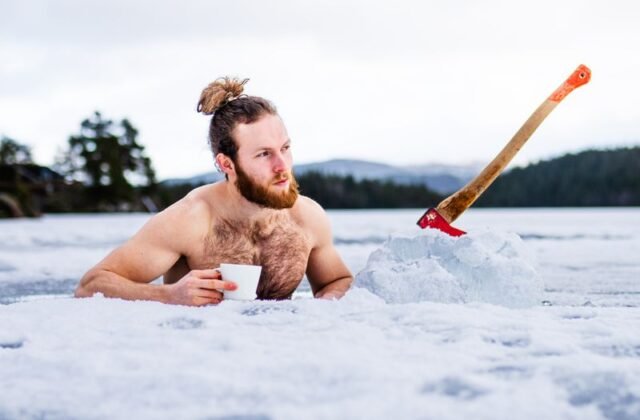
Cold Plunge in Winter: 7 Rules for Safe, Comfortable Outdoor Plunging
Winter Guide · Outdoor Plunging The water doesn’t care that it’s January. Everything around it does. A cold…
Read Guide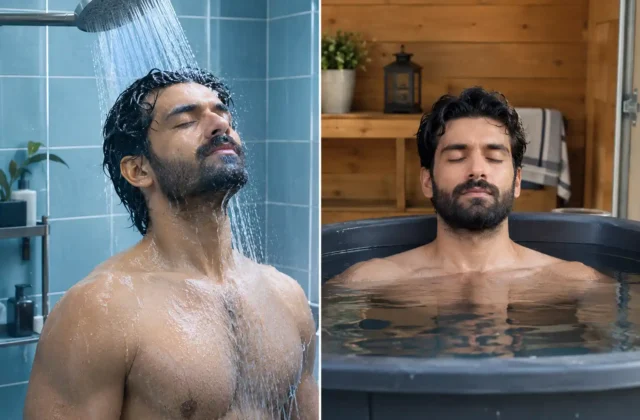
Cold Plunge vs Cold Shower: Is a Shower Really Enough?
A quick note before you read on: This article compares two wellness practices for general informational purposes and…
Read Guide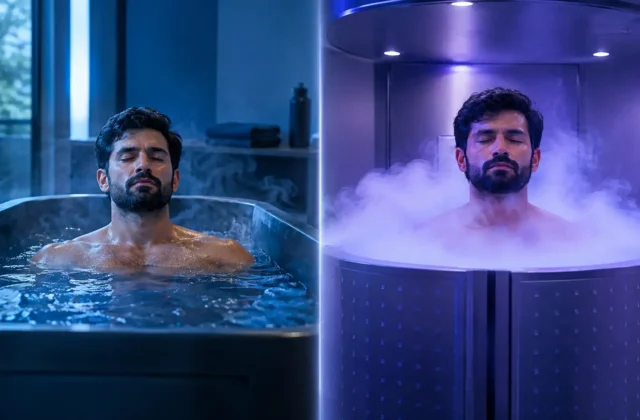
Cold Plunge vs Cryotherapy: Which One Is Actually Right for You?
A quick note before you read on: This article compares two wellness practices for general informational purposes and…
Read Guide